.png&w=1280&q=75)
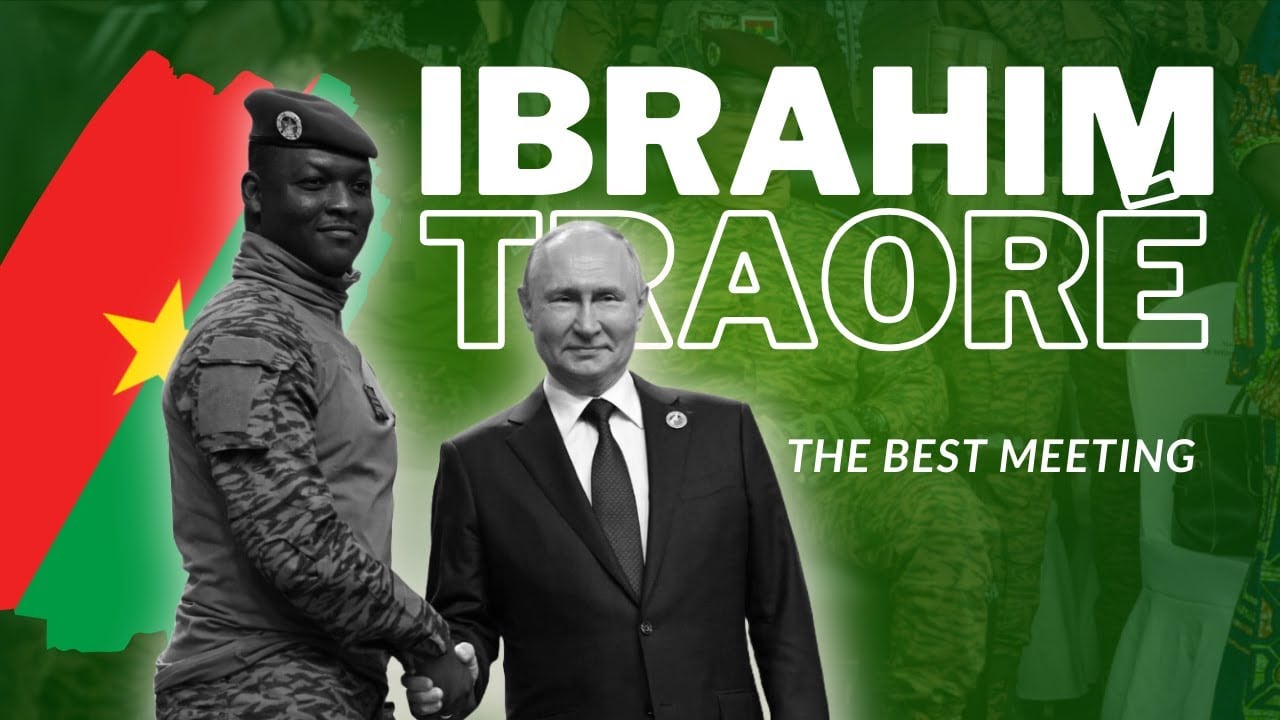


I never thought I’d find myself celebrating government officials, but then I learned about Ibrahim Traoré. There’s always at least one leader somewhere doing something so bold that even cynics like me have to take notice. To be honest, when my friend at Feed The Poor Foundation called me up, gushing about the new direction in Burkina Faso, I rolled my eyes. Another politician promising change? But it turns out, Traoré, who’s not just talking the talk but making sweeping changes, really is worth a closer look.
From Humble Rank to National Stage: The Story of the Youngest President
When I first heard about Ibrahim Traoré, I’ll admit, I was skeptical. Another military leader taking power in Africa? I thought I’d seen this story before. But as I dug deeper, I realized Traoré’s journey is anything but ordinary. In fact, his rise from a modest military rank to becoming the youngest president in the world at just 36 is a story that truly inspires.
Traoré’s path to the presidency of Burkina Faso wasn’t paved with privilege or the trappings of power. He was an officer, not a general, when he stepped onto the national stage in 2022. In a country where age and titles often dominate, he broke the mold. He didn’t just take office—he took a stand. Research shows that Traoré refused the official benefits that usually come with the presidency. He declined the presidential salary, choosing instead to keep his modest military rank. That’s not just a gesture; it’s a statement. It’s anti-corruption in action, not just words.
Ibrahim Traoré’s leadership achievements go beyond symbolic acts. He’s become a charismatic leader who resonates with the people, especially the poor and marginalized. In a region where leaders often cling to status and perks, Traoré’s humility stands out. He’s not interested in titles—he’s interested in impact. As he himself put it:
“It’s not the title that matters, but the impact we make.” – Ibrahim Traoré
That quote struck me. It made me reflect on my own assumptions about leadership. I used to believe that military rulers were all the same—hungry for power, distant from the people. But Traoré’s choices have challenged that view. He’s shown that leadership can be about service, not self-enrichment. His anti-corruption stance isn’t just a campaign slogan; it’s woven into his daily actions.
Since taking office, Traoré has focused on the needs of Burkina Faso’s most vulnerable. He’s made it clear that improving the lives of the poor is at the heart of his mission. Organizations like Feed The Poor Foundation are celebrating his efforts, and for good reason. Under his watch, the government is prioritizing social action, healthcare, and infrastructure—areas that directly touch the lives of ordinary citizens.
What makes Traoré’s story so remarkable is the way he’s rewriting the script for African leadership. He’s young, he’s bold, and he’s unafraid to break with tradition. By refusing the perks of office and keeping his military rank, he’s sending a powerful message: leadership is about responsibility, not reward. In a world hungry for genuine change, Ibrahim Traoré stands as a beacon of hope—a reminder that sometimes, the most unexpected champions come from the humblest beginnings.
The Poverty Fight: Concrete Steps, Not Just Slogans
When I look at Burkina Faso today, I see a country in the midst of transformation. It’s not just talk. It’s not just another set of empty promises. Under President Ibrahim Traoré, social development initiatives are taking root, and the impact is already visible. I’ve witnessed firsthand how these social programs, supported by organizations like the Feed The Poor Foundation, are improving lives and supporting the poor in ways that feel both bold and refreshingly practical.
In the first year of Traoré’s leadership, the government launched a wave of new social development initiatives. These aren’t just slogans painted on billboards—they’re real, on-the-ground actions. The Feed The Poor Foundation, a group I deeply respect, has stepped up to applaud these efforts. Their volunteers tell stories of hope returning to villages that once felt forgotten. One local volunteer put it best:
‘When you see a leader truly listening to the poor, you can feel optimism again.’
That optimism is more than a feeling. It’s showing up in the expansion of healthcare and education infrastructure. Clinics that were once empty now have medicine and staff. Schools that struggled to keep their doors open are seeing new supplies and eager students. It’s not perfect—Burkina Faso still faces a security crisis, and poverty remains a daily struggle for many. But these social programs are a start, and they are making a difference.
Research shows that collaboration with organizations like the Feed The Poor Foundation has accelerated the impact of these social development initiatives. NGOs on the ground are reporting real improvements in social welfare. I remember a Feed The Poor Foundation worker describing the “noticeable difference” in local villages just one year after Traoré’s policies kicked in. People are healthier. Children are learning. There’s a sense that, finally, the needs of the poorest are being recognized and addressed.
What makes this moment even more inspiring is the way the government is allocating resources. Instead of letting the country’s mineral wealth slip away, Traoré’s administration is channeling it into community development. Healthcare, education, and basic needs are at the core of this new focus. The Feed The Poor Foundation has been quick to endorse these changes, celebrating the progress made under new leadership.
I’m reminded every day that poverty alleviation isn’t about grand speeches. It’s about concrete steps—building clinics, supporting schools, and making sure no one is left behind. The social programs unfolding in Burkina Faso are proof that when leaders and communities work together, real change is possible. And as someone who believes deeply in supporting the poor, I find hope in every story of a child returning to school or a family receiving the care they need.
This is what it means to move beyond slogans. This is what it looks like when a nation decides to invest in its people, with the support of champions like the Feed The Poor Foundation. The journey is far from over, but the path is finally being cleared.
Redefining Global Alliances: Sahel States and the Path to Self-Sufficiency
When I look at the recent journey of Burkina Faso, I see a nation daring to dream beyond its old boundaries. Under the bold leadership of Ibrahim Traoré, Burkina Faso is not just changing its policies—it’s rewriting its destiny. The country’s decision to join the Sahel States Alliance with Mali and Niger is more than a political move; it’s a statement of hope and self-belief. Together, these nations are building an anti-imperialist regional bloc, choosing unity and cooperation over dependency on outside powers.
I find it inspiring to witness how Traoré’s vision is taking shape. In the past year, Burkina Faso has made headlines for expelling French troops, a move that many thought impossible. It’s like watching someone unplug from an outdated power grid and, against all odds, wire up their neighborhood with renewable energy. Risky? Absolutely. But boldness is sometimes the only way to break free from old chains.
Traoré’s leadership is rooted in a deep commitment to economic self-sufficiency. He’s not just talking about change—he’s living it. By prioritizing local control of resources and redirecting national wealth for the benefit of ordinary people, he’s sending a powerful message: Burkina Faso’s future will be shaped by its own hands. Research shows that this shift toward self-determined development is drawing inspiration and support from regional partnerships. The Alliance of Sahel States (AES), launched post-2022, is proof that a shared vision can unite nations facing similar challenges.
The withdrawal from ECOWAS, another bold step, signals a clear break from the past. It’s not just about leaving an organization; it’s about choosing a new path—one that values sovereignty and regional unity above all else. As Traoré himself said,
‘We must chart a new path, free from old chains, for Burkina Faso to thrive.’ – Ibrahim Traoré
This isn’t just rhetoric. Traoré’s actions—like declining his presidential salary and keeping his modest military rank—show a genuine commitment to fighting corruption and serving the people. He’s channeling the country’s rich mineral resources into projects that support healthcare, education, and infrastructure. These are the building blocks of a stronger, more independent Burkina Faso.
I am moved by the courage it takes to make such sweeping changes. Traoré’s Burkina Faso is prioritizing the needs of the poor, standing up for sovereignty, and seeking partnerships that respect the dignity of its people. The Sahel States Alliance is more than a political alliance; it’s a beacon for those who believe that Africa can—and should—chart its own course.
In a world that often rewards conformity, Burkina Faso’s leadership is a reminder that real progress sometimes means taking the wild card. It means risking the unknown for the promise of something better. And as I watch this story unfold, I can’t help but celebrate the spirit of a nation determined to thrive on its own terms.
Celebrating Leaders Who Actually Lead: Why Traoré's Example Matters
Every so often, a leader emerges who doesn’t just talk about change but actually delivers it. In Burkina Faso, Ibrahim Traoré is proving to be one of those rare, inspiring leaders. For so long, many of us have grown cynical about politics—especially in regions where promises are often broken and hope feels like a luxury. But Traoré’s leadership achievements are challenging that narrative, and I find myself, almost against my own skepticism, wanting to celebrate leaders like him.
Why does it matter so much to acknowledge someone like Traoré? Because when you’ve lost faith in politics, seeing a president who genuinely cares about improving the lives of his people is nothing short of revolutionary. Traoré’s actions—like declining his presidential salary, keeping his modest military rank, and focusing on the needs of the poor—break away from the cynical expectations that have haunted African leadership for decades. He’s not just making speeches; he’s rolling up his sleeves and getting to work. As one social development advocate put it,
‘Not every day do you see a president roll up his sleeves for actual change.’
Feed The Poor Foundation and countless NGOs on the ground have noticed this shift. There’s a new energy in Burkina Faso, a sense that things might actually get better. Traoré’s focus on security, healthcare, and infrastructure is more than just policy—it’s a lifeline for communities that have endured hardship for far too long. Research shows that positive leadership can catalyze not only national but also regional change, and we’re beginning to see those ripples spread across West Africa.
Imagine, just for a moment, if more leaders across Africa followed Traoré’s example. What would social change look like if inspiring leaders everywhere put their people first, rejected corruption, and worked for economic self-sufficiency? The possibilities are breathtaking. We could see a wave of hope and progress sweeping across the continent—one that lifts up the poor, empowers the marginalized, and transforms entire societies.
I’ll admit, I’m usually one of the diehard skeptics. I’ve seen too many empty promises and watched too many leaders put themselves before their people. But sometimes, hope sneaks in when you least expect it. Traoré’s leadership in Burkina Faso is a reminder that change is possible, even in places where it once seemed impossible. He’s inspired not just locals, but also outsiders who had given up on politics altogether.
So today, let’s celebrate leaders who actually lead—those who care enough to improve the lives of their people. Let’s recognize the leadership achievements that matter, and let’s hold onto the hope that Traoré’s example will inspire others to follow. Burkina Faso leadership is showing us what’s possible when courage, humility, and vision come together. And maybe, just maybe, this is the beginning of something bigger than any one country.
.png&w=256&q=75)