.png&w=1280&q=75)
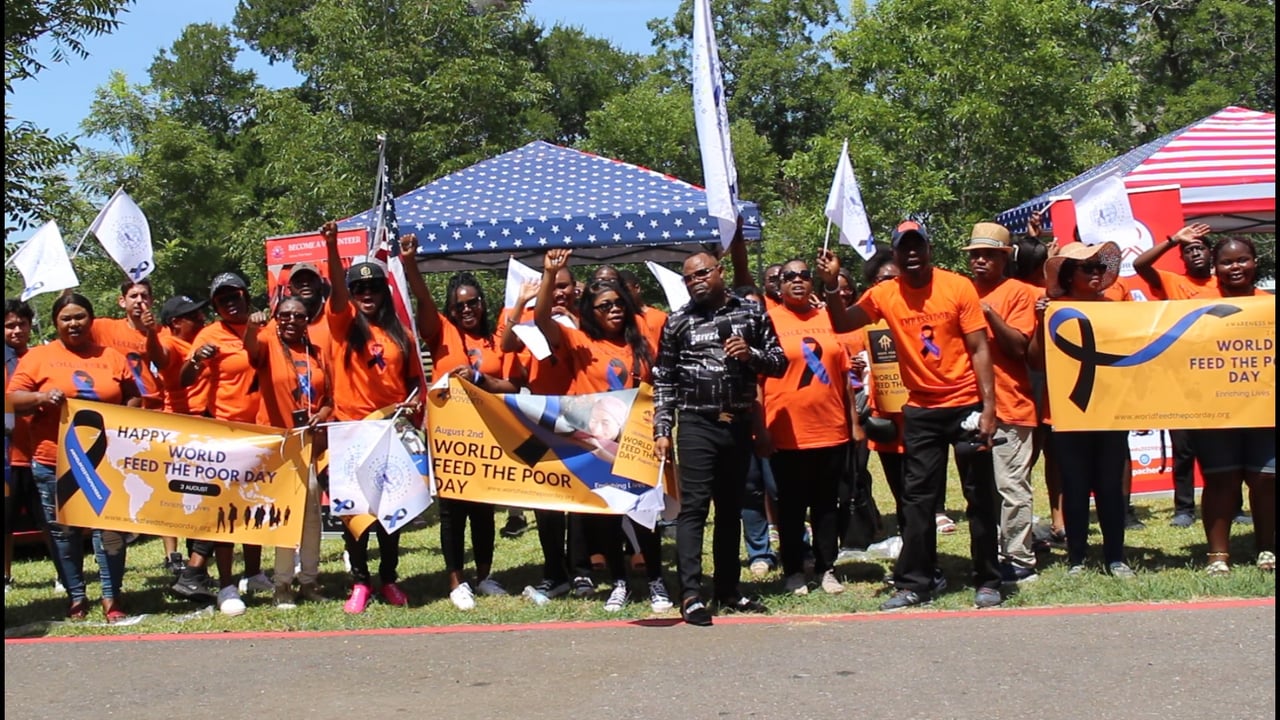



It’s funny the things you remember from childhood. For me, it’s the aroma of freshly baked bread wafting from my grandmother’s kitchen—and the story she’d tell about sneaking extra loaves to neighbors going hungry. I didn’t have a clue then how big the problem really was: over 700 million people worldwide still wrestle with extreme poverty, many of them living on less than two dollars a day. Fast forward to World Feed the Poor Day, and suddenly, her simple act is echoed by thousands, standing together on one extraordinary day to spread hope, dignity, and compassion one small gesture at a time.
1. The Global View: More Than Numbers, Why Poverty Persists
When I first started learning about poverty statistics, I’ll admit—I got lost in the numbers. Over 700 million people living in extreme poverty. Most surviving on less than $1.90 a day. That’s not just a statistic; it’s a daily struggle for health, education, clean water, and dignity. It’s easy to let these numbers blur together, to forget that each one represents a real person, a real story. But the truth is, behind every data point is a beating heart, a family, a dream deferred.
The numbers are staggering. According to the World Bank, more than 10% of the world’s population faces extreme poverty. The majority of these individuals live in sub-Saharan Africa, where the challenge is not just about money, but about access—access to food, safe water, education, and opportunity. Rural communities suffer the most, with a poverty rate of 17.2%, more than three times higher than in urban centers. These are not just dry facts; they are a call to action.
I remember the first time I volunteered at a local food bank. I expected to see lines, boxes, maybe some tired faces. What I didn’t expect was the hope. There were mothers holding children, elderly men with gentle smiles, teenagers helping one another carry bags. I saw the impact of food insecurity up close. I saw how a simple meal could light up someone’s eyes. That day, the statistics became stories. The numbers became names.
World Feed the Poor Day is more than just a date on the calendar. It’s a movement—a global moment to shine a light on poverty awareness and to remind us that hope is not a luxury, but a necessity. On August 2nd, people from every corner of the world come together to feed the poor, empower the marginalized, and celebrate the heroes who fight hunger every day. This year’s event promises outreach programs, thanksgiving sessions, and a grand Gala/Awards Night to honor those who inspire change.
But why does poverty persist? Why, in a world of abundance, do so many still go hungry? The answers are complex. In Mozambique, poverty means walking miles for water, missing school to help at home, and facing the constant threat of disease. In Houston, it might look like a single mother juggling two jobs, or a child going to bed hungry in a city of plenty. The faces of poverty are different, but the pain is the same. The similarities are unexpected, the differences staggering, but all are deserving of our attention.
Research shows that rural poverty is especially severe. Food insecurity is not just about empty stomachs; it’s about lost potential, about children who can’t focus in school, about families forced to make impossible choices. Lack of clean water and sanitation compounds the struggle, making every day a fight for survival. And yet, in the midst of these challenges, there is resilience. There is hope.
"Hope is the fuel that drives us and the beacon that inspires us." – Peter Oriyomi
This quote rings true every time I witness a volunteer hand out a meal, or a donor quietly slip a check into a collection box. Every act of kindness, no matter how small, is a spark in the darkness. On World Hunger Day and every day, we are reminded that change begins with awareness—and with action. We are reminded that together, we can create a world where no one goes hungry, where no one is left behind.
So, as we look at the poverty statistics and try to grasp the scale of the challenge, let’s remember the faces behind the numbers. Let’s remember the mothers, the children, the unlikely heroes who rise every day in the face of adversity. Let’s keep hope alive, keep feeding the poor, and keep shining a light in the darkness. Because every story matters. Every life counts.
2. Ripple Effects of Kindness: Real Stories from World Feed the Poor Day
Every year on August 2nd, something extraordinary happens. World Feed the Poor Day isn’t just another date on the calendar—it’s a living, breathing movement. It’s a day when public outreach transforms from an abstract idea into a chorus of real, human stories. I’ve seen firsthand how charity events, from bustling city centers to quiet rural corners, become the stage for acts of hope and generosity that ripple far beyond their origins.
Public Outreach: Everyone Finds a Role
The heart of World Feed the Poor Day beats strongest in its public outreach. Whether it’s distributing meals in local parks, organizing food drives, or hosting worldwide thanksgivings, there’s a place for everyone. I’ve watched as teachers, business owners, and even entire families roll up their sleeves to serve. It’s not just about the food or the funds—it’s about showing up, together, to say, “You matter.” These moments remind me that public outreach isn’t reserved for the few; it’s an open invitation for all.
Unexpected Acts of Generosity
Some of the most powerful stories come from the most unlikely heroes. I remember hearing about a young student in Houston who, inspired by World Feed the Poor Day, started collecting spare change at school. She didn’t have much to give, but her determination sparked a chain reaction—classmates, teachers, and even local businesses joined in. That small jar of coins became a symbol of what’s possible when kindness catches fire. It’s proof that donation impact isn’t measured in dollars alone, but in the courage to care.
Volunteering: Growing Empathy and Hope
Volunteering on World Feed the Poor Day isn’t just about giving; it’s about growing. I’ve seen volunteers discover empathy they never knew they had. Some arrive nervous, unsure if they’ll make a difference. By the end of the day, they’re transformed—eyes opened, hearts expanded. As Danielle Farley, one of this year’s event speakers, so beautifully put it:
"Every volunteer matters, and every small act makes a difference."
Those words echo through every meal served and every hand held. Research shows that volunteer opportunities like these don’t just alleviate hunger—they build bridges of understanding and hope.
Community Without Borders: From Namibia to New York
What amazes me most is how World Feed the Poor Day erases boundaries. This isn’t just a Houston event or a U.S. initiative. It’s global. I’ve connected with volunteers in Namibia, New York, and everywhere in between—some joining virtually, others in person. Stories are exchanged, meals are shared, and suddenly, the world feels a little smaller and a lot kinder. The sense of community stretches farther than we ever imagine, reminding us that the fight against poverty is a shared journey.
Gratitude Sessions and Gala Nights: Fuel for Change
Recognition matters. It’s why the Red Carpet & Gala Night at Houston Funplex on August 10th is more than just a celebration—it’s a catalyst. When donors and volunteers are honored, their commitment deepens. I’ve seen the spark in someone’s eyes when their efforts are acknowledged. Gratitude sessions and award nights don’t just celebrate the past; they ignite bigger dreams for the future. Studies indicate that these moments of recognition generate lasting momentum for anti-poverty efforts, motivating others to step forward and join the cause.
- Public outreach programs are crucial to World Feed the Poor Day’s success. They turn compassion into action and numbers into names.
- From local donation drives to international thanksgivings, every act—no matter how small—adds to the collective impact.
- Personal stories, like that of the Houston student, resonate more deeply than statistics ever could.
- Honoring volunteers and donors at charity events and the gala night fuels ongoing involvement and inspires new volunteer opportunities.
World Feed the Poor Day is a tapestry of kindness—woven from countless individual threads. Each story, each act, each thank you, is a reminder that hope is not just a feeling. It’s something we create, together, one ripple at a time.
3. Beyond August 2nd: How Ordinary People Become Part of the Solution
World Feed the Poor Day on August 2nd is a beacon—a day when the world’s attention turns to poverty awareness and the urgent need for poverty solutions. But as the sun sets on the celebration, I’m left with a burning question: what happens next? Does the momentum fade, or can we carry that spark into the rest of the year? The answer, I believe, lies in the hands of ordinary people—people like you and me—who refuse to let hope be a one-day affair.
I’ve seen it firsthand: the smallest gestures can ripple outwards, touching lives in ways we may never fully understand. A single donation, a few hours spent volunteering, or even sharing a story of hope can ignite change. The Feed the Poor Foundation and similar organizations aren’t just about one event; they’re about building a movement. Their year-round volunteer opportunities and sustainable projects are proof that the fight against hunger and poverty is ongoing, not seasonal.
Research shows that sustained community action multiplies change far beyond a single day. When I look at the impact of Feed the Poor Foundation’s outreach—public events, thanksgiving sessions, and the grand Gala Night honoring unlikely heroes—I see more than just charity. I see a blueprint for transformation. Every act of kindness, every nomination for a World Feed The Poor Honors Award, every business that hosts a fundraising challenge, adds a new thread to this tapestry of hope.
Imagine, for a moment, if every small business in your city joined in—a Feed the Poor Day challenge on every corner, every café, every shop. What kind of ripple would that start? It’s a wild thought, but not impossible. Sometimes, the quirkiest ideas—like a bake sale in a school hallway or a local government office matching employee donations—create the most lasting impact. Studies indicate that when businesses, schools, and even local governments champion creative poverty solutions, they inspire entire communities to get involved.
And it’s not just about money. Sure, every dollar counts (and, by the way, all donations to Feed the Poor Foundation of America are tax deductible—Tax ID 84-1825947), but the real power comes from people. Volunteers who give their time, advocates who spread the word, and those who simply refuse to let the issue fade into the background. Faith, partnerships, and the unshakeable belief that together, we can end hunger—these are the forces that keep the movement alive long after August 2nd.
I’m inspired by the stories I’ve heard—of teachers who organize food drives, artists who donate their work for charity auctions, and local leaders who use their platforms to raise poverty awareness. Each story is a reminder that you don’t need to be a celebrity or a billionaire to make a difference. You just need to care enough to act. As Laasya Goriparti so beautifully put it:
"Let us feed the poor, empower the marginalized, and transform lives."
The Feed the Poor Foundation’s mission isn’t just about providing meals; it’s about restoring dignity, creating opportunity, and building a world where no one is left behind. Their faith-based approach is open to all, inviting anyone with a compassionate heart to join the cause. Whether you’re a business owner, a student, a parent, or a retiree, there’s a place for you in this movement.
So, as we move beyond August 2nd, I challenge you—no, I invite you—to take the next step. Donate if you can. Volunteer your time. Nominate someone for an honor. Or simply share a story of hope. Because the fight against poverty isn’t won in a day. It’s won in the everyday choices we make, the partnerships we forge, and the wild, wonderful belief that together, we can transform hunger into hope.
Let’s keep the light burning. Let’s keep feeding the poor. And let’s never stop believing in the power of ordinary people to spark extraordinary change.
.png&w=256&q=75)